A Collector’s Judgment of Paris: Recreating Wine History One Bottle at a Time
Blog Post
As the wine world celebrates the 50th anniversary of the Judgment of Paris, many of the commemorative tastings and retrospectives have been reserved for the industry’s inner circle: journalists, sommeliers, collectors with elite connections, and the winemakers whose bottles changed history in 1976.
Most of the stories emerging from these anniversary events have come from those who make, sell, write about, or professionally evaluate wine. But this story is different.
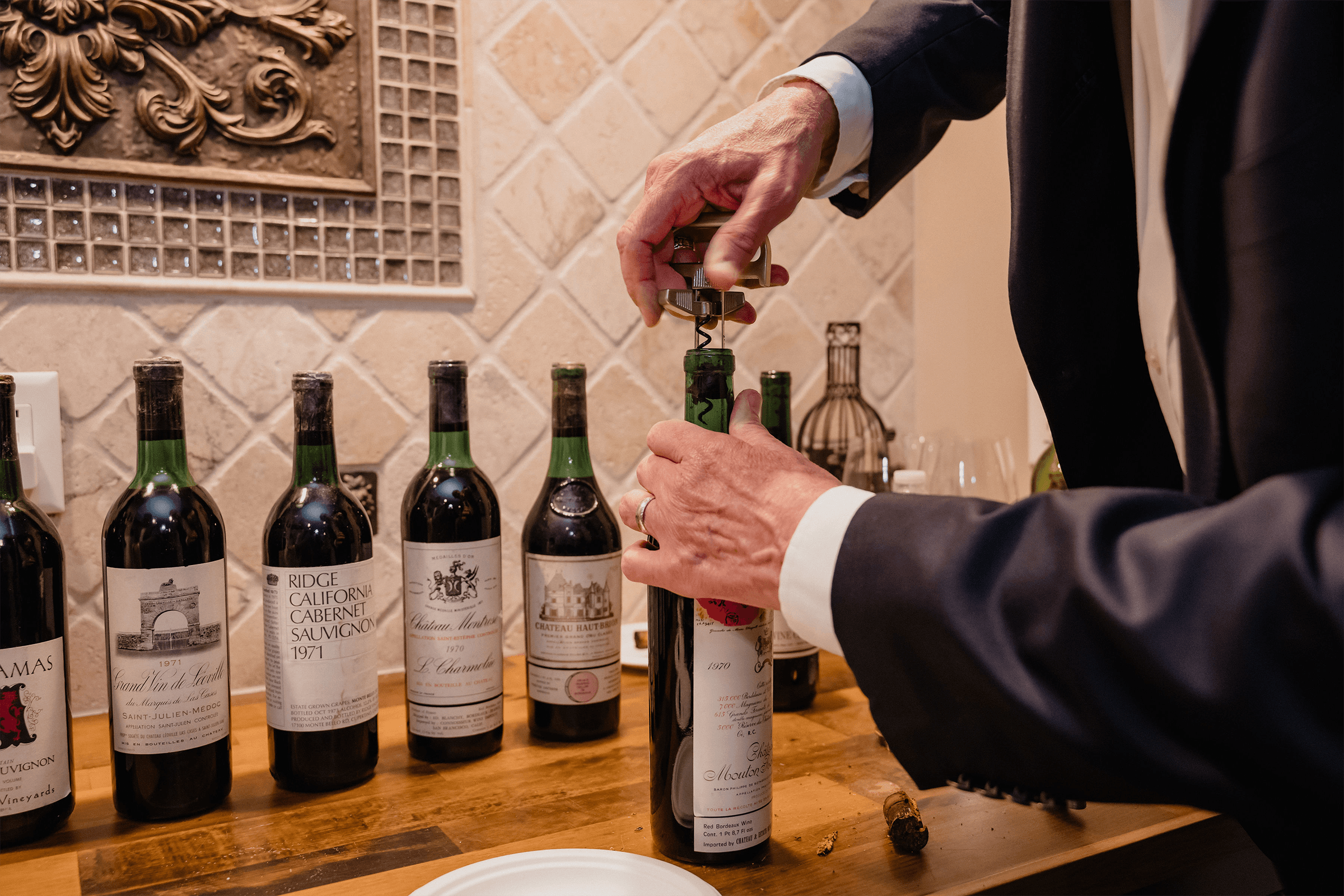
This is the story of Dr. Robert Wilson, a dedicated wine collector whose appreciation for wine history and the magic of aged wine inspired him to create his own Judgment of Paris tasting. Over more than a decade, Wilson patiently assembled the original wines from the historic competition, tracking down rare bottles through auctions and private sales with no agenda beyond curiosity, passion, and a desire to experience a legendary moment in wine history for himself.
What followed was not a media event, but an intimate blind tasting shared with family and friends. Complete with the original 20-point scoring system, historic context, and the suspense that made the 1976 tasting famous, Wilson’s recreation offered something increasingly rare in today’s wine world: a chance to experience history not as an industry insider, but as an enthusiastic and knowledgeable wine lover.
Photography by Micciche Photography. Click to Enlarge.
A Twelve-Year Journey
Wilson’s fascination with the Judgment of Paris began after several trips to Napa Valley nearly fifteen years ago. As he learned more about the famous 1976 blind tasting that pitted California wines against France’s most celebrated estates, he became captivated by the wines themselves and what they represented.
After building a dedicated wine cellar twelve years ago, Wilson began a quest that would take years to complete. He carefully monitored wine auctions, searching for bottles with strong provenance and excellent condition. Every detail mattered, from fill levels and cork condition to labels and capsules. The goal was not simply to own the wines but to eventually experience them as a group.
The final piece of the puzzle arrived only months before the tasting when Wilson secured a bottle of 1971 Château Léoville Las Cases, completing his collection of Judgment of Paris wines.

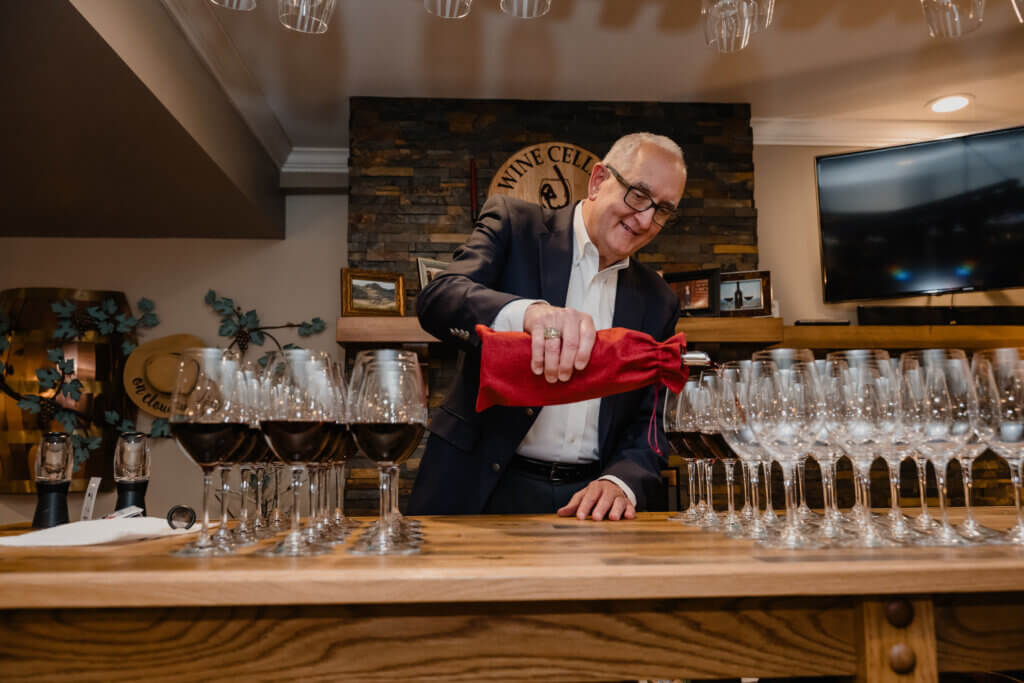

Recreating History
Three months before the event, planning began in earnest.
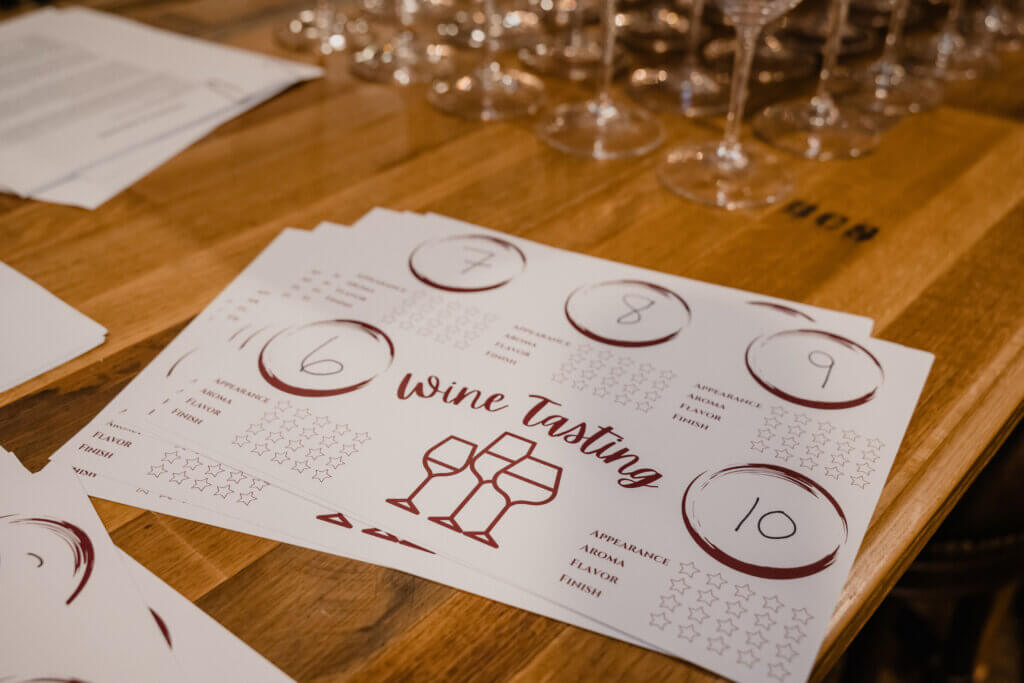
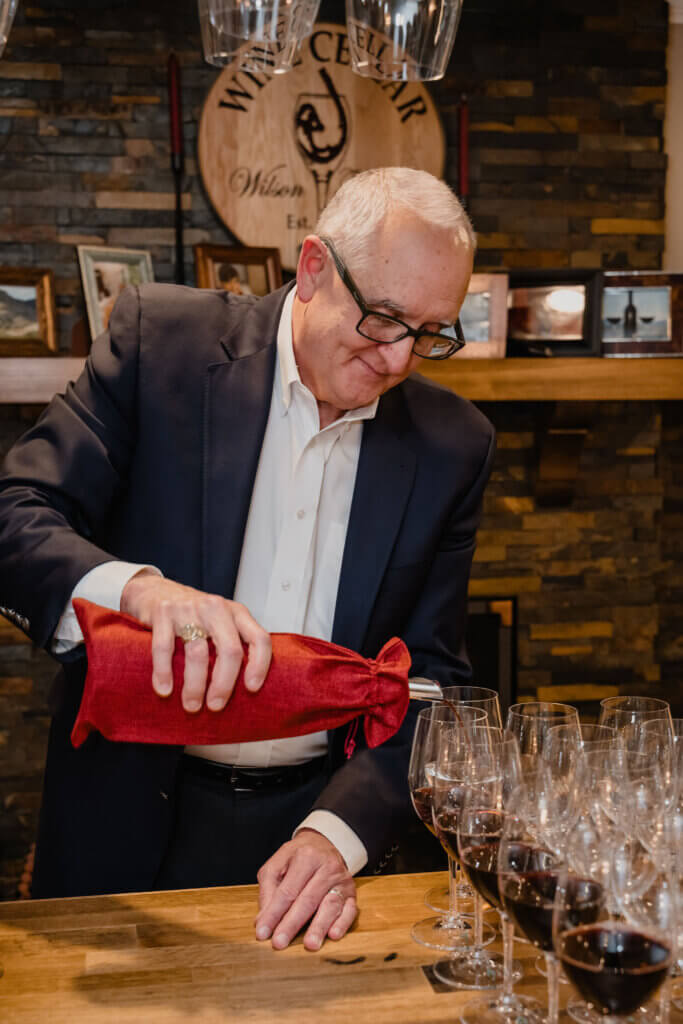
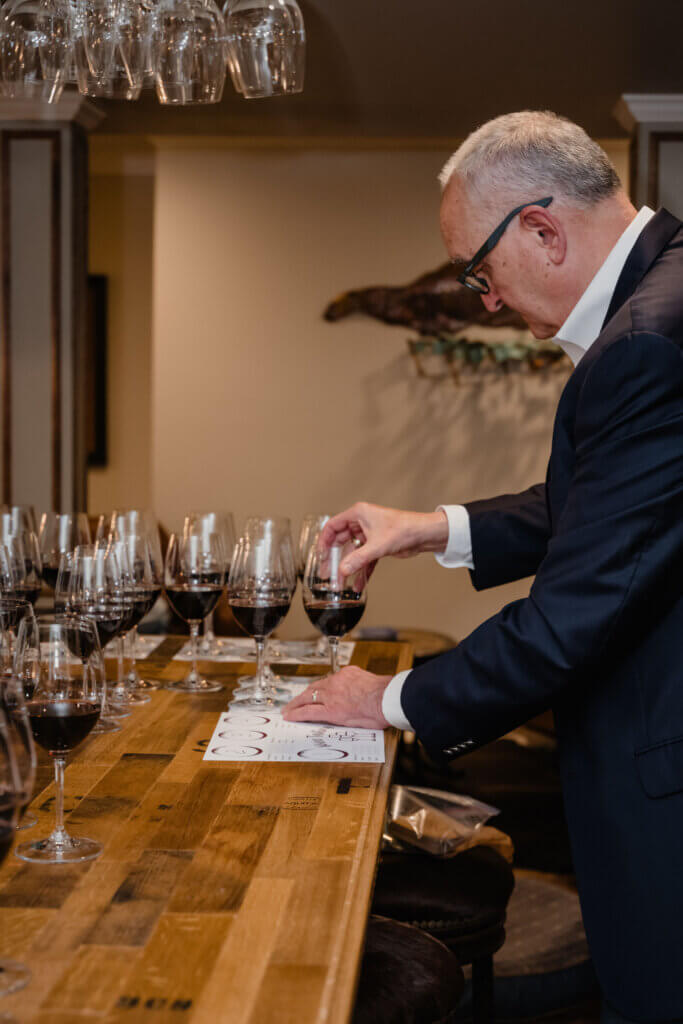
Wilson wanted the tasting to mirror the original Judgment of Paris as closely as possible. Guests would evaluate the wines blind and score them using the same 20-point system employed in Paris. Before the tasting began, Wilson presented a slideshow detailing the original competition and showed how each of the nine French judges scored the wines in 1976.
The presentation wasn’t intended to influence the results. Instead, it demonstrated how differently experienced tasters can evaluate the same wine and helped guests appreciate the historical significance of what they were about to experience.
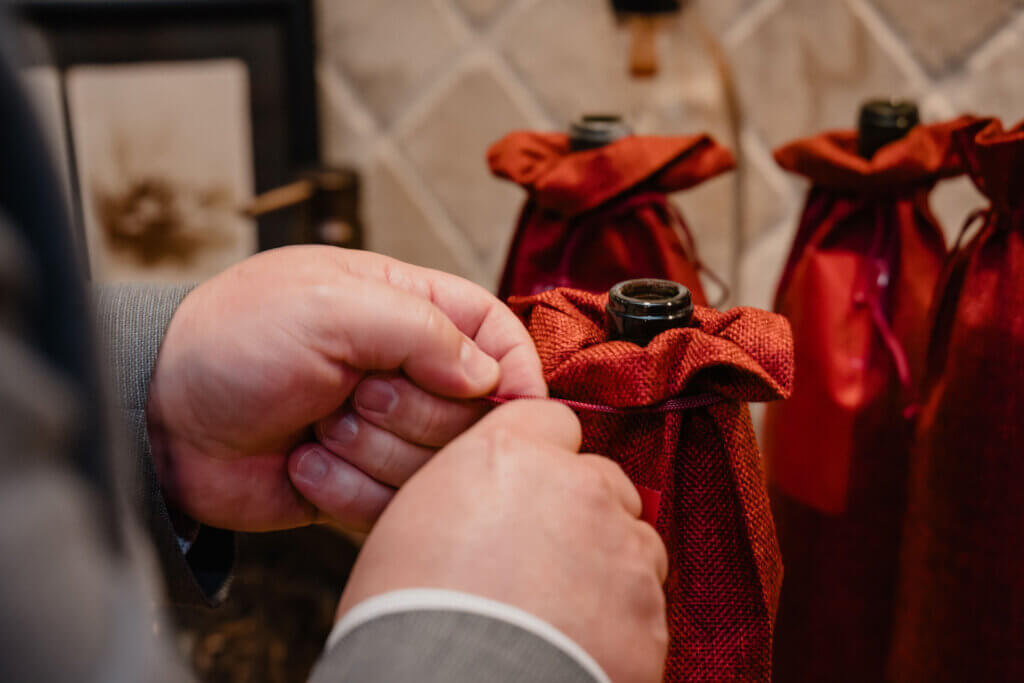
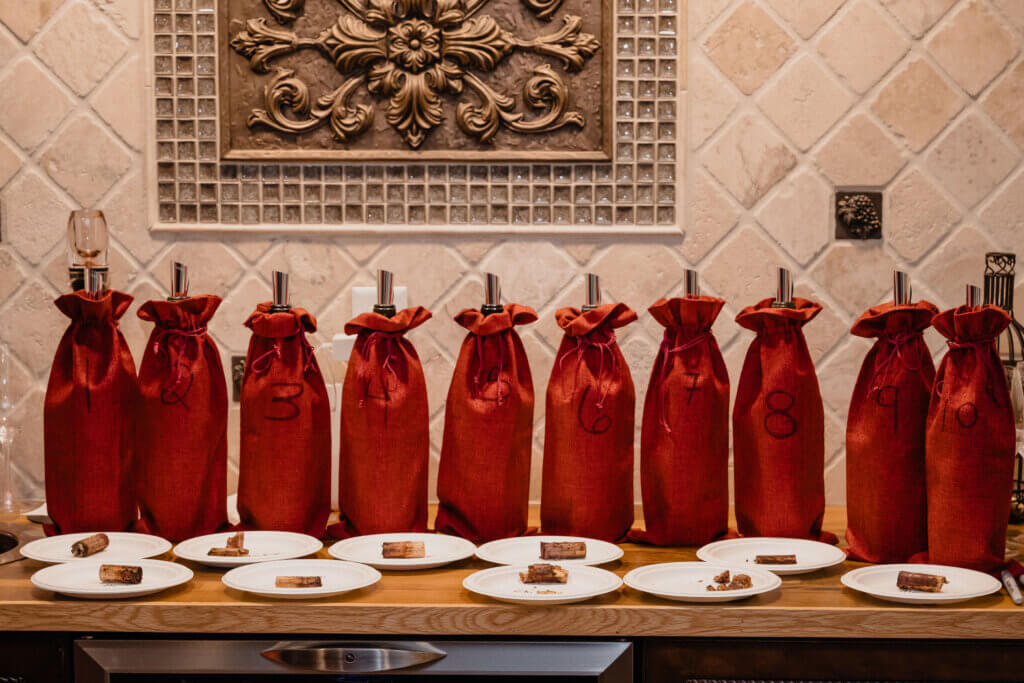
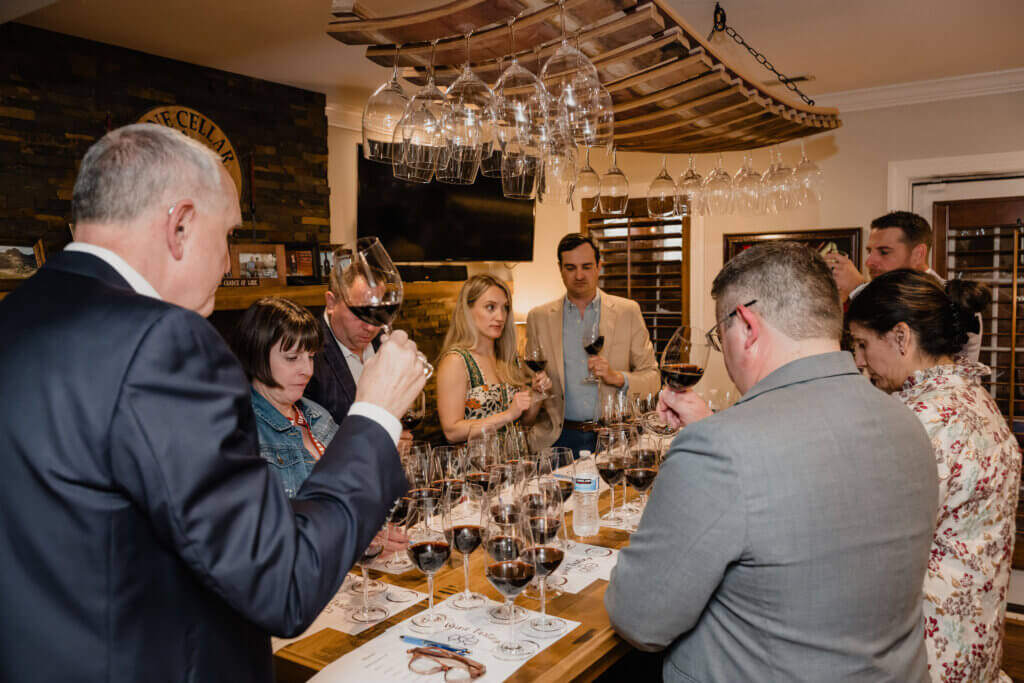
The integrity of the blind tasting was paramount.
Neither Wilson nor his guests knew which wines were in their glasses as they tasted and scored. Once the evaluations were complete, the wines were revealed one by one, beginning with the lowest-scoring bottle and working toward the highest.
In His Own Words: Robert Wilson on Recreating the Judgment of Paris
Can you describe the process of acquiring the original Judgment of Paris vintage wines? How long did it take you to assemble the full collection?
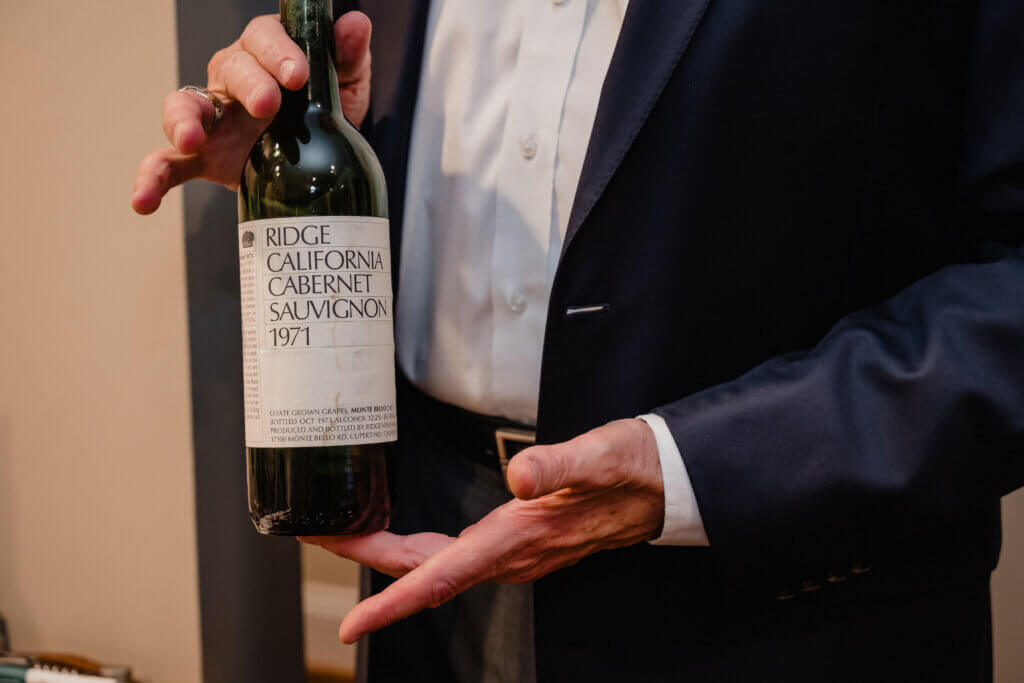
“After a couple of trips to Napa 15 years ago, I became interested in the history of Napa and wine making. The Judgement of Paris came to the forefront. I built my cellar 12 years ago after outgrowing my 400 bottle wine refrigerator. It was around that time I started paying attention to the exact wines from the JOP available at auction. I paid attention to the quality of the bottles on line and only bid on those that were low neck or high shoulder fills. Making sure the foil and labels were in good shape. Making sure the corks were not elevated or depressed. At the end of the day, you have to trust your instincts and bid. I was extremely happy with each wine and its color and clarity. The two costs were variable, but the Stag’s Leap Wine Cellar was most expensive and Ridge Monte Bello second most expensive. It took me seven years to collect nine of them. The 1971 Chateau Leoville Las Cases I finally found just three months ago. That completed my Judgment wines.”
How did you approach recreating the scoring and rating system used in the original Judgment of Paris tasting?
“About three months before the event, I began planning our tasting. The actual date fell on Memorial weekend Sunday. To include my family and friends I picked the Saturday of the weekend before.
“I felt it important to follow as closely as I could to mimic the original JOP event. That included the 20 point scoring system as well. I did a slide show presentation of the original event and paid attention to the scoring. I showed to the audience how each of the original 9 French judges scored each wine. Not to tell them how to score, but show the range of each.
“And just like the original judges, some ranged their scores from 8-17 and some from 2 or 3 to 15 or so. Amazingly, once I entered the scores on the spreadsheet, they were really close averages to the final scores in 1976. Of course different winning and losing wines.”


Were you surprised to see that two California wines finished in first and second place in your tasting?
“I would be less than honest to say that I didn’t want the California wines to be at the top once we totaled all scores. But because of our system to blind the wines, without question, I had no idea what wine I was scoring. That was especially important to me and for everyone.
“Once I got the totals, we revealed each wine going from the lowest scoring wine to the highest scoring wine, one bottle at a time. In the end I was not surprised at the top wines with 1971 Ridge Monte Bello at #1 and the 1971 Mayacamas at #2.
“Historically, the French Bordeaux wines are always at the top of these decades tastings of the JOP, but never on top. It speaks to the quality and durability of wines that Napa has proven over and over again to be superior to their French counterparts. I was especially excited to be a part of this history to be revealed and continued once again at my event I was able to put together.”

More Than a Tasting
What makes Wilson’s recreation so compelling is not simply the wines or the results.
It is the fact that this event was organized not by a winery, publication, auction house, or wine organization, but by a passionate collector who dedicated years to understanding, preserving, and ultimately sharing an important piece of wine history.

To document the occasion, Wilson hired Micciche Photography to capture every detail, from the historic bottles and blind tasting setup to the reactions of guests as the results were revealed.
In a year filled with high-profile anniversary events, Wilson’s Judgment of Paris stands out because it reminds us that wine’s greatest stories are not always told by those in the spotlight. Sometimes they are created by collectors and enthusiasts who simply love wine enough to pursue a dream for more than a decade, and then share it with the people around them.
Wait!
In order to qualify for user related discounts, you must log in before proceeding with checkout. Click the button below to log in and receive these benefits, or close the window to continue.
Log In